Menu
Close
Close
About Lead Based Stabilizer
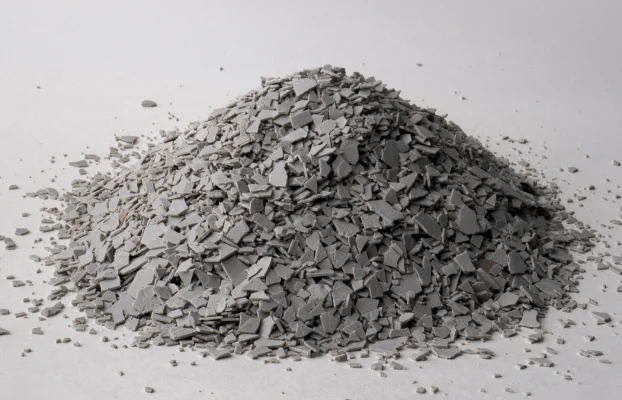
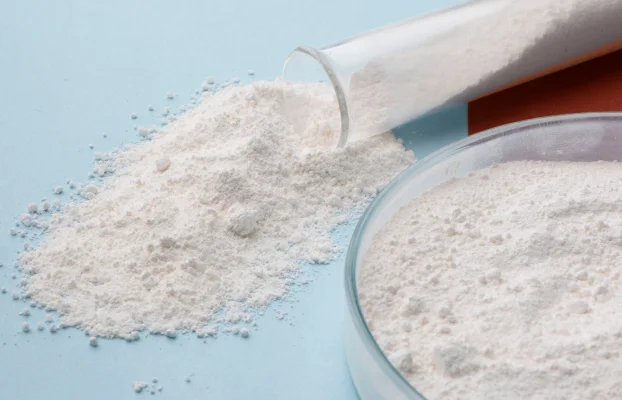
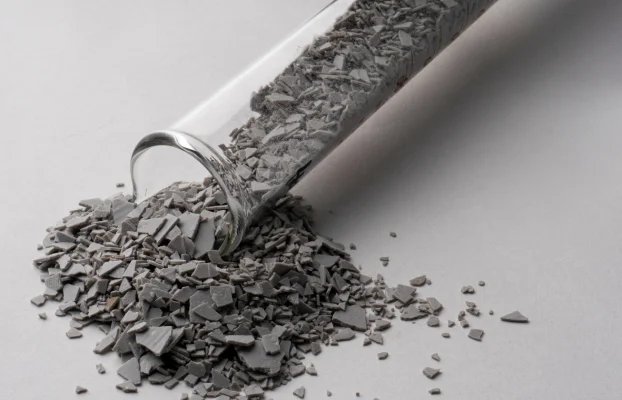
Lead-based stabilisers in general have a variety of applications in PVC processing, especially because of their great thermal stability and protection against degradation at high temperatures. They protect PVC against heat, UV rays, and environmental stress to maintain the integrity and structural stability of the polymer. Moreover, these stabilizers enhance mechanical strength, processing efficiency, and surface quality, making them ideal for various industrial applications due to their economy and effective lubricating properties.


Product Categories
FAQs
Lead stabilizers for PVC, such as tribasic lead sulfate (TBLS), dibasic lead phosphite, or lead stearate, are essential PVC heat stabilizers. They form protective soaps with HCl, halting degradation at temps over 200°C. Best lead based stabilizers also lubricate, improving flow and finish—perfect for high-output extrusion.
Raw PVC degrades fast at 140-200°C, risking chains breaking and HCl release. Advantages of lead stabilizers in PVC include:
Exceptional dynamic heat stability (>70 min at 190°C on roll mill)
UV and plate-out resistance for weatherproof PVC profiles
Boosted mechanics: tensile strength +25%, better impact via crosslinking prevention
Cost-effective lubrication cuts cycles by 15-20%
No wonder they’re staples for lead stabilizer applications.
Lead based PVC stabilizers pack power but contain heavy metals—use at 2-6 phr with ventilation and PPE. Compliant in many markets (e.g., non-REACH zones), but phase-outs favor alternatives. Handle like pros: effective when regulated right.
Benefits of lead-based stabilizers for pipes, profiles, and more shine in:
PVC pipes/fittings: Superior heat stability for PVC pipes
Window/door profiles: UV protection for longevity
Cables/wires: Insulation integrity
Sheets/panels/roofing: Lead stabilizers for outdoor PVC durability
They enhance strength—locking in elongation (>250%) and modulus against aging. Lead based stabilizers benefits mean robust, long-life products.
Best lead based stabilizers lead in cost savings (40% less), thermal performance, and efficiency for PVC pipe stabilizers. Lead-free (Ca/Zn) are greener but often costlier with shorter stability windows. Ideal for budget-driven, high-heat lead stabilizer manufacturers projects.
201, Ackruti Star, MIDC Central Road, Pocket No.5,
MIDC, Marol, Andheri (E),
Mumbai, Maharashtra – 400069
Industrial Shed, 136, Gut No. 984, Plot No. 36,
Shirgoan Village, Palghar (W), Dist. Palghar – 401 404, India
No. 974, Gut No. 984, Plot No. 35,
Shirgaon Village, Palghar 401404,
Maharashtra, India