
Menu
Close
Close
At Platinum, we do more than produce stabilizers—we create solutions that genuinely address your unique needs. Our advanced R&D centre drives innovation, blending scientific expertise with a commitment to sustainability to deliver reliable performance you can trust.
We believe stabilizers should offer more than functionality—they should add value to your business. That’s why we prioritize leading-edge research and development, ensuring every product is safe, sustainable, and designed for lasting success.
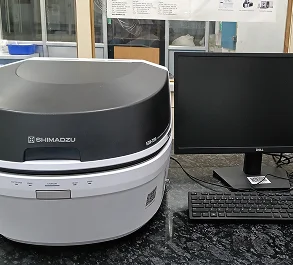
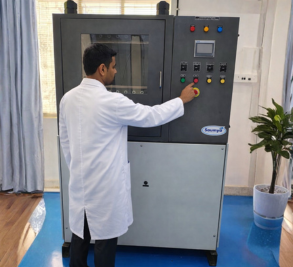
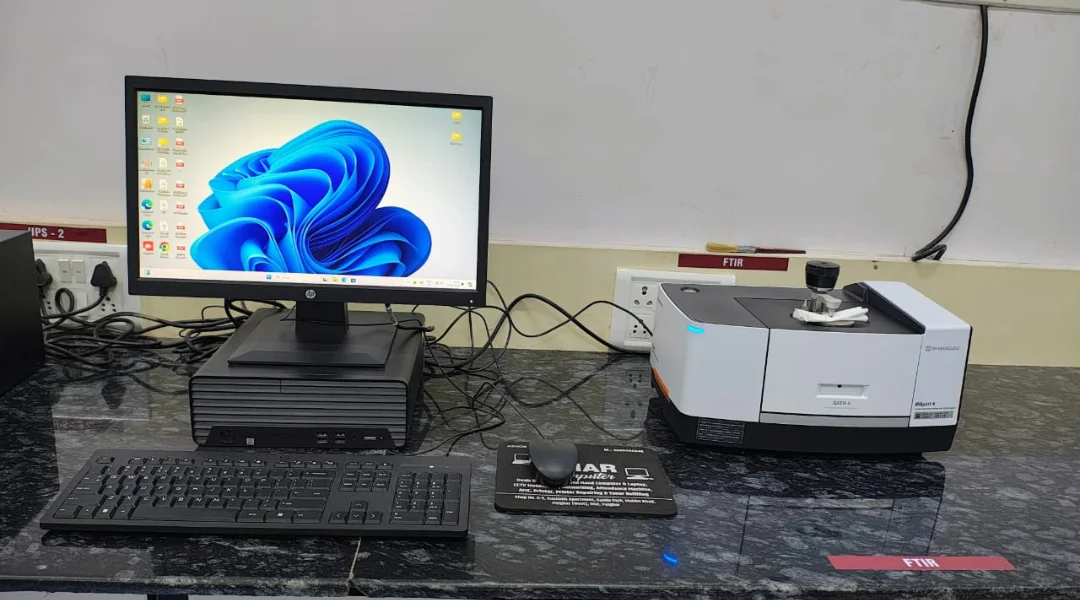
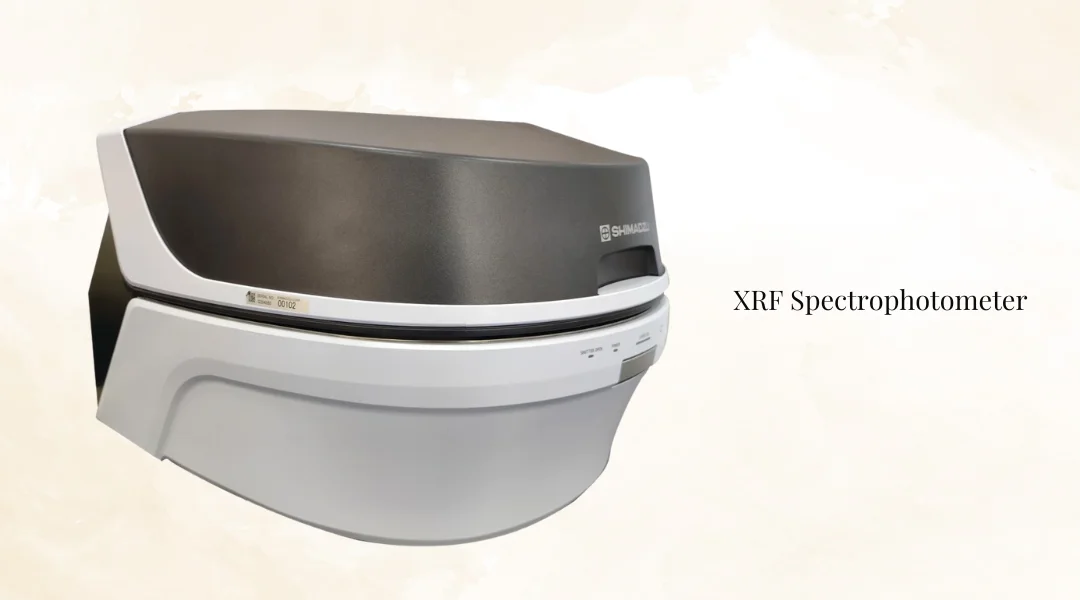
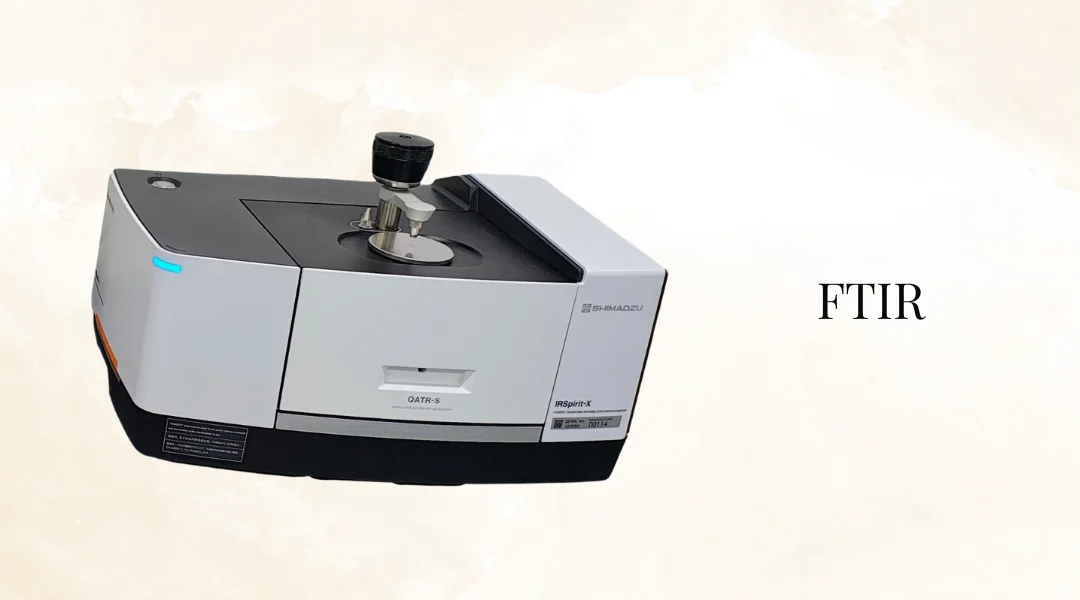
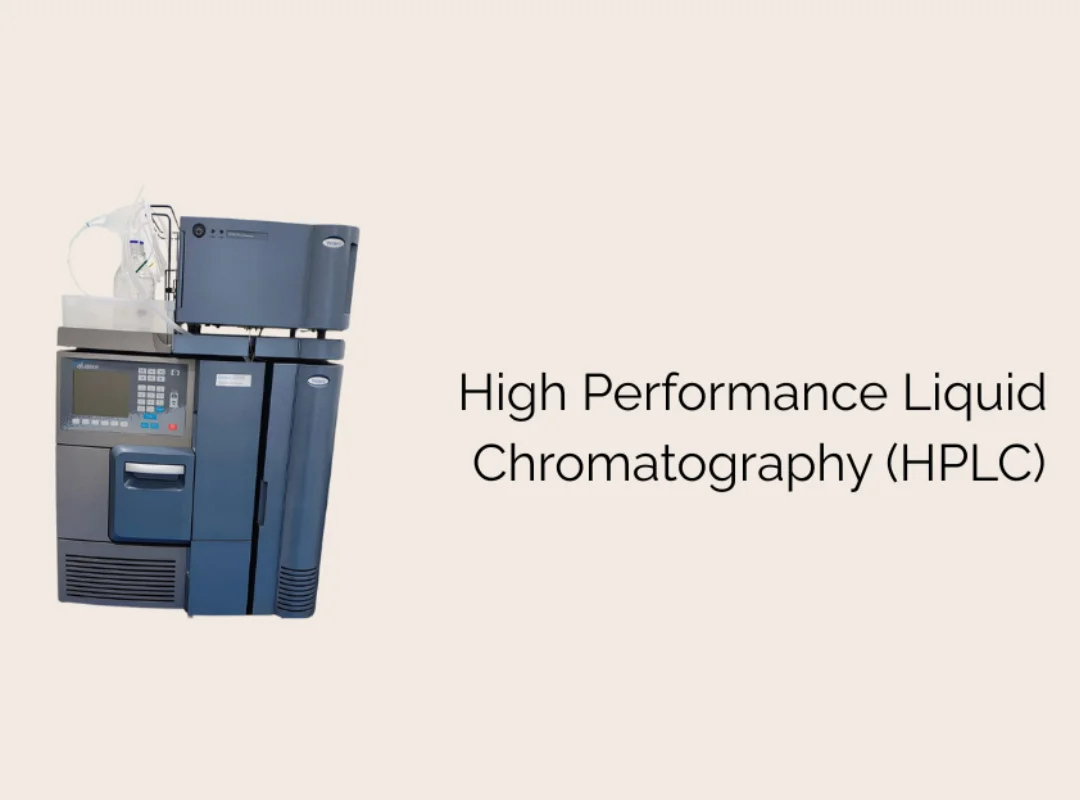
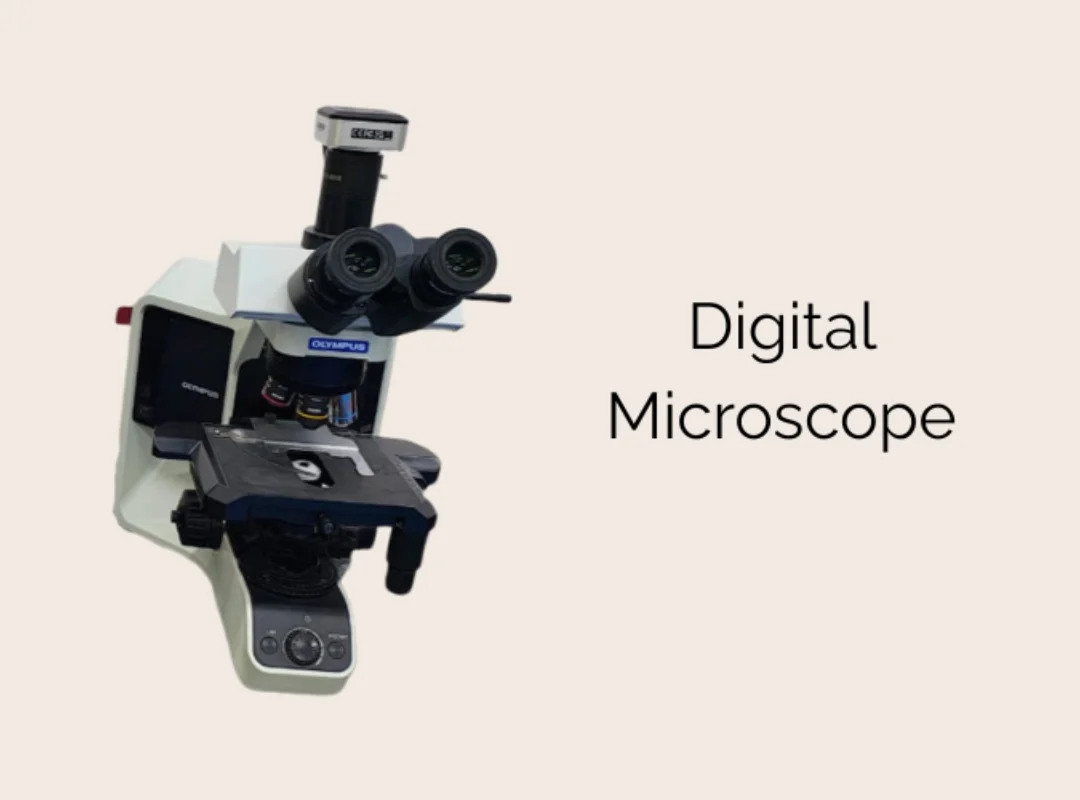
An analytical laboratory is designed to test, identify, and quantify the chemical and physical properties of materials, serving a vital role in quality assurance, reverse engineering, and regulatory compliance across Platinum Industries Ltd. To achieve this, these labs utilize a range of advanced techniques and instruments, such as:

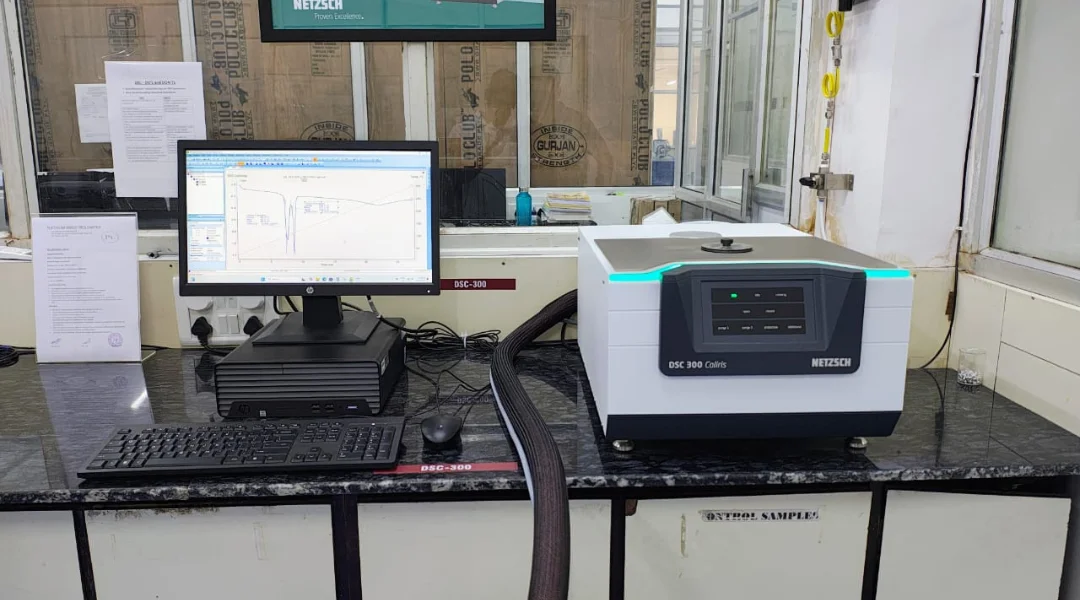
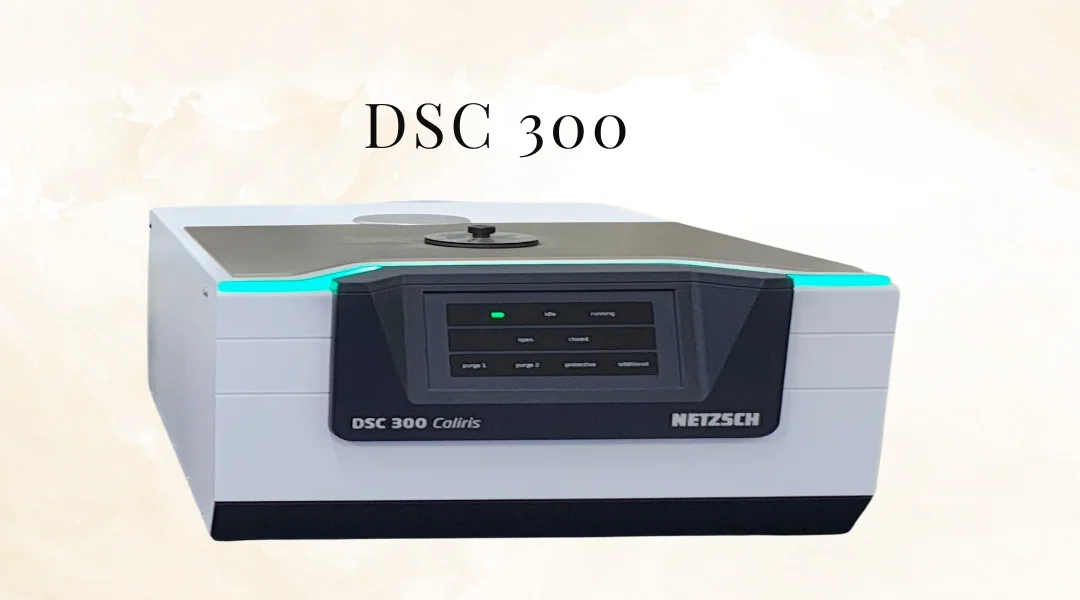
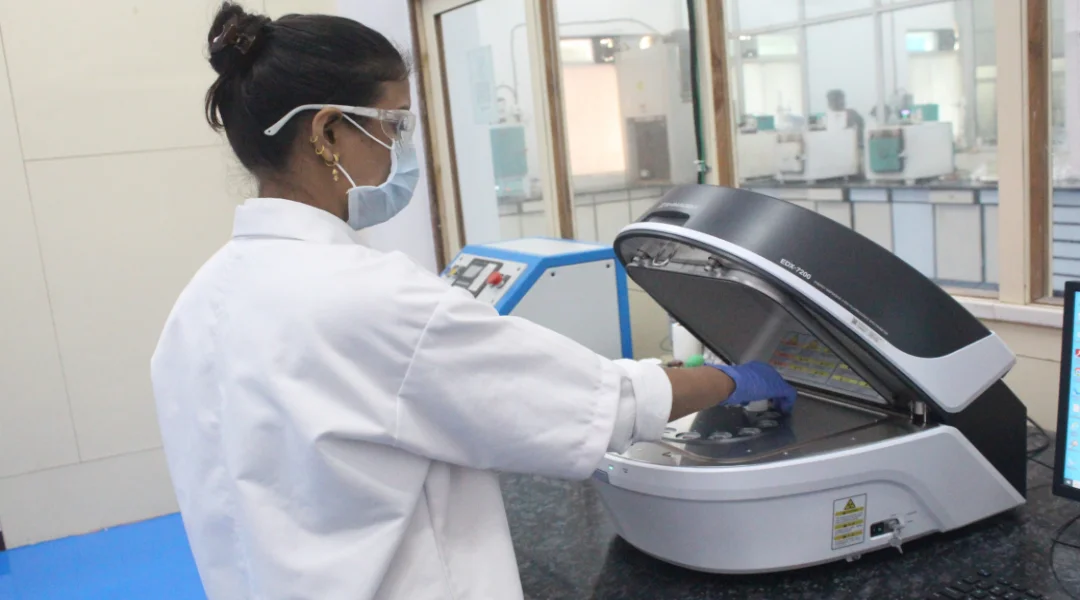
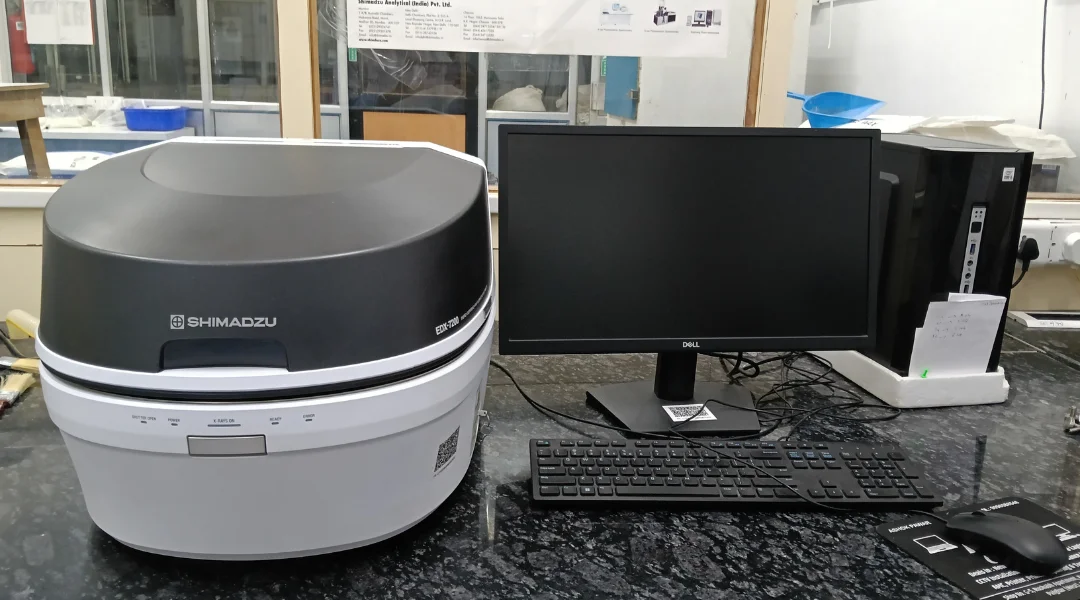
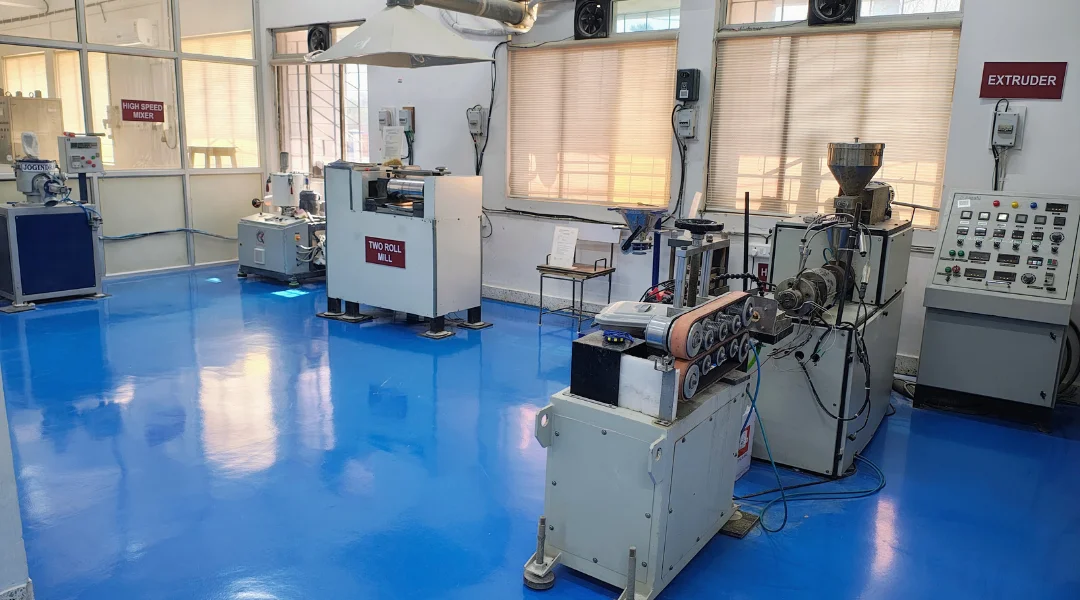
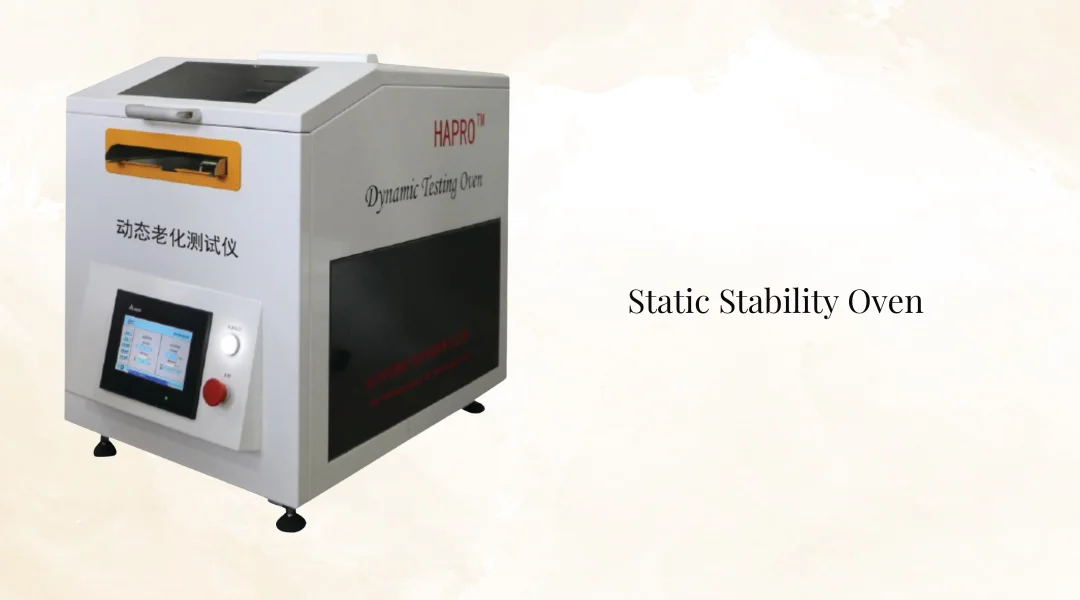
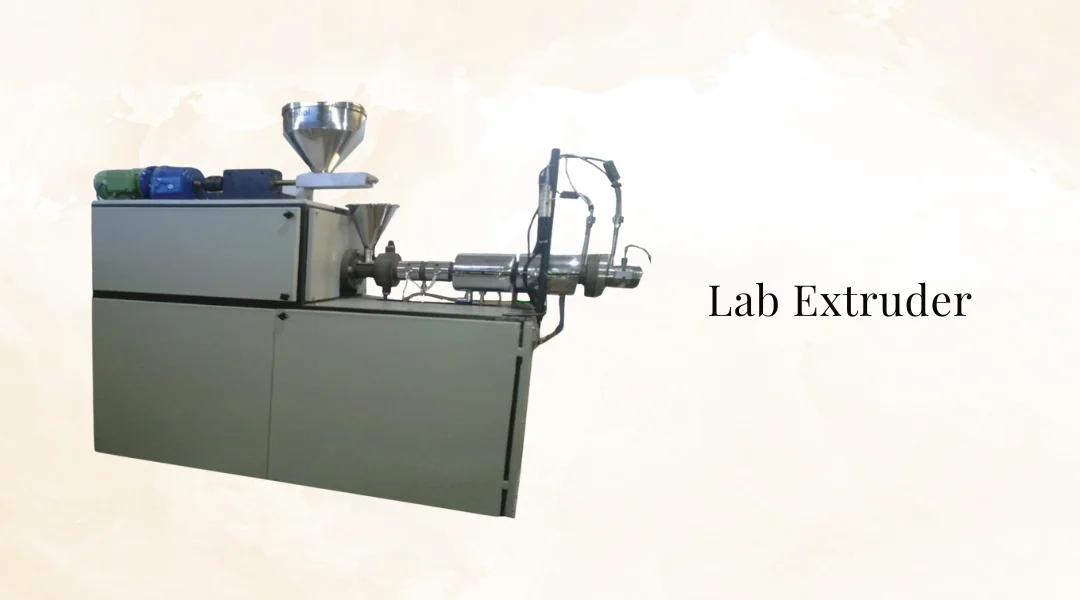
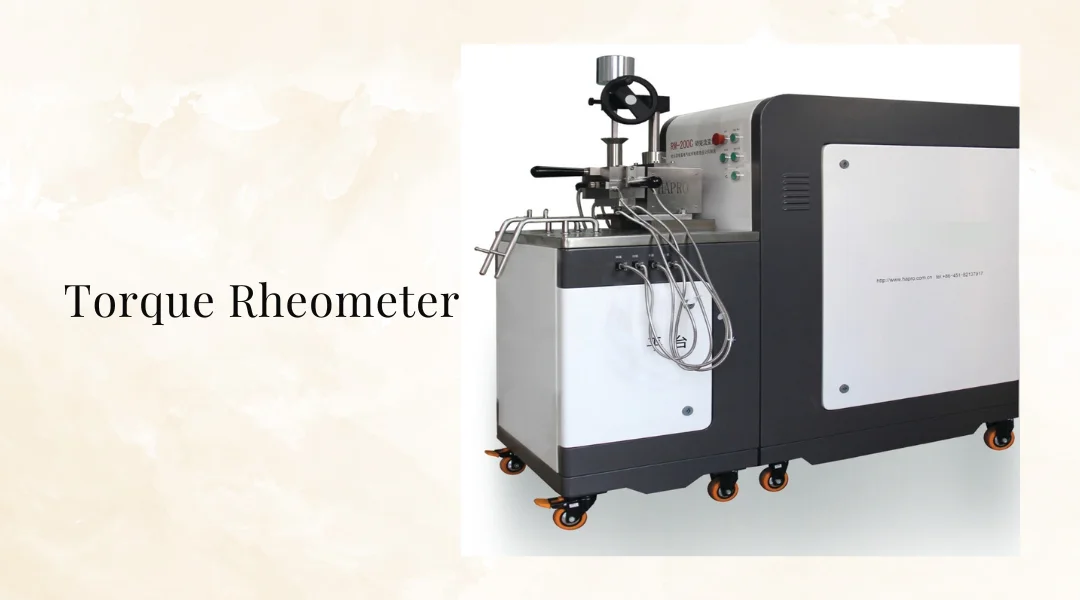
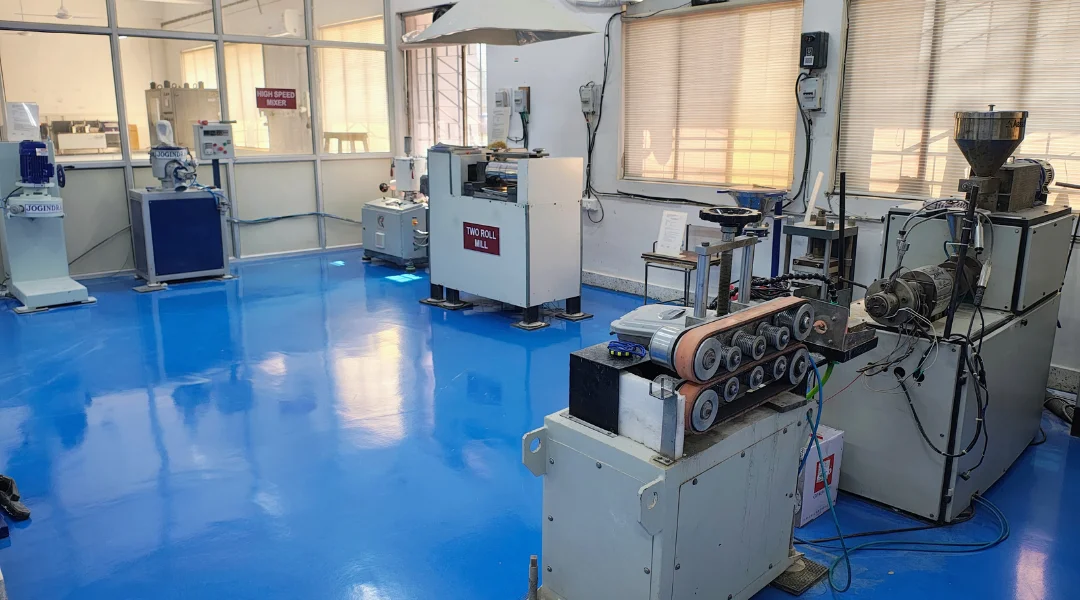
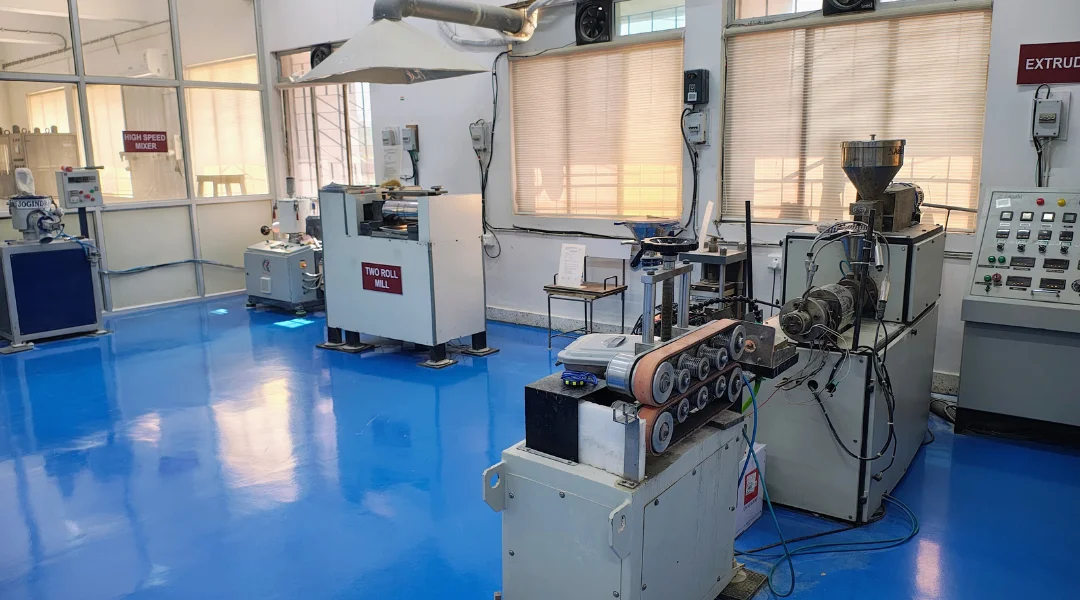
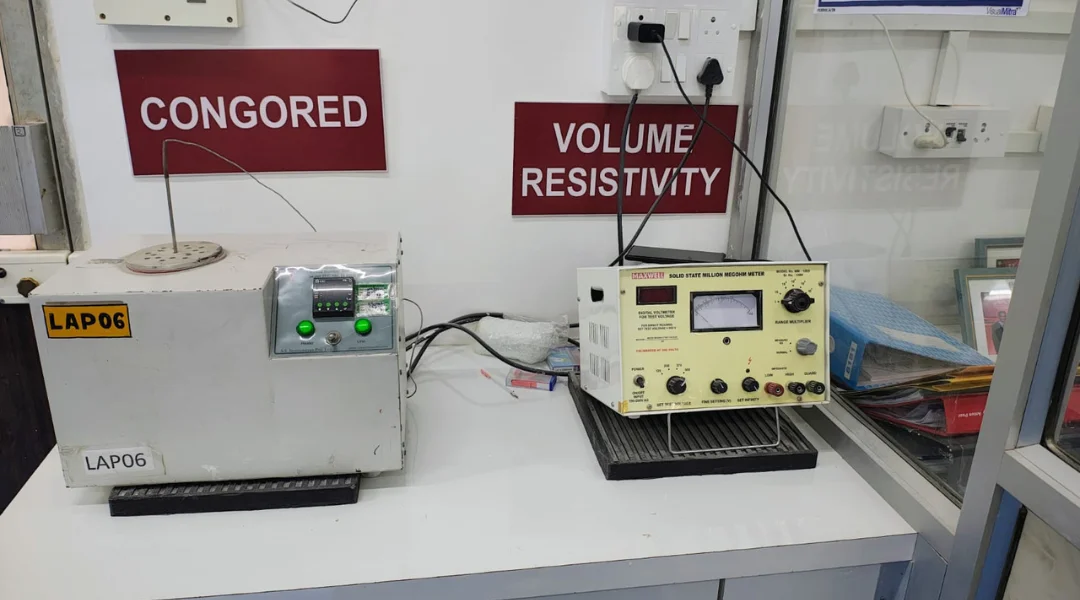

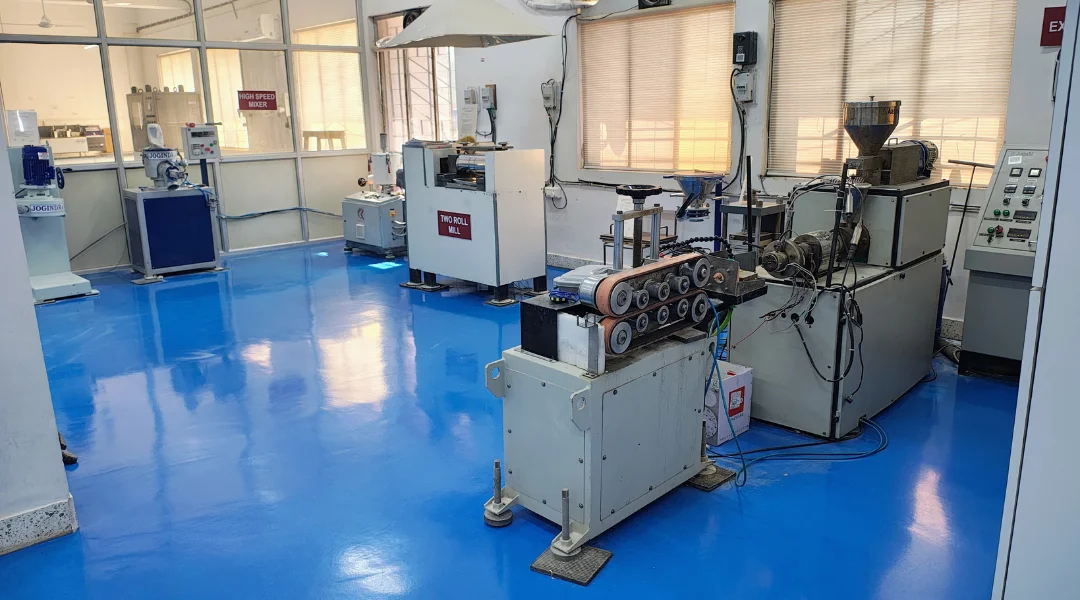
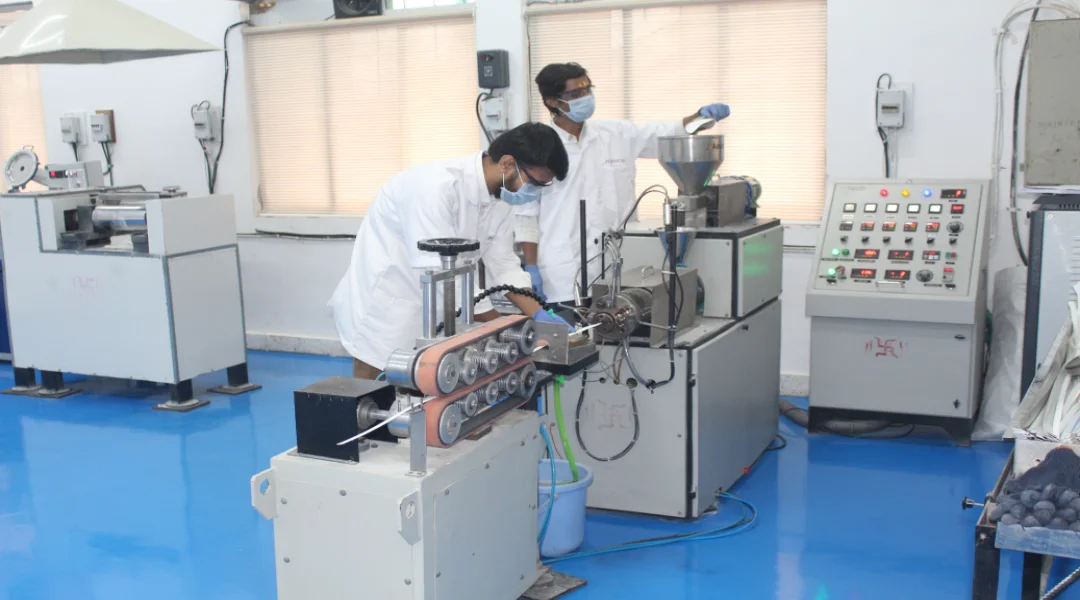
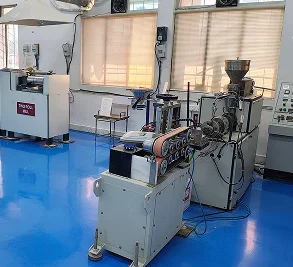
An Application Lab is a specialized facility dedicated to developing, testing, and optimizing products and processes tailored to specific industrial needs. Our lab focuses on the practical application of materials and technologies to enhance performance, meet customer requirements, and drive innovation in product development.
The Application Lab’s key functions include:
Our Application Lab acts as a vital link between fundamental research and commercially viable solutions, ensuring innovations are practical, efficient, and compliant with industry standards and customer expectations.
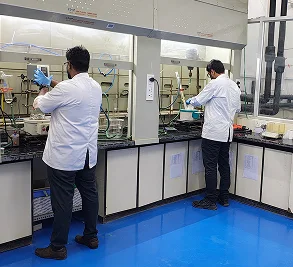
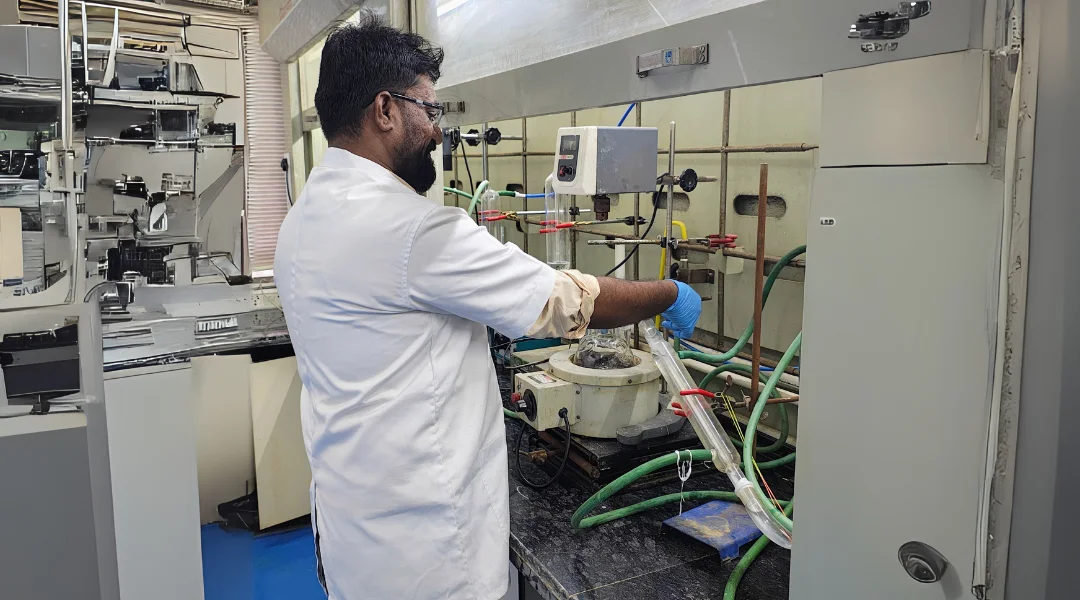
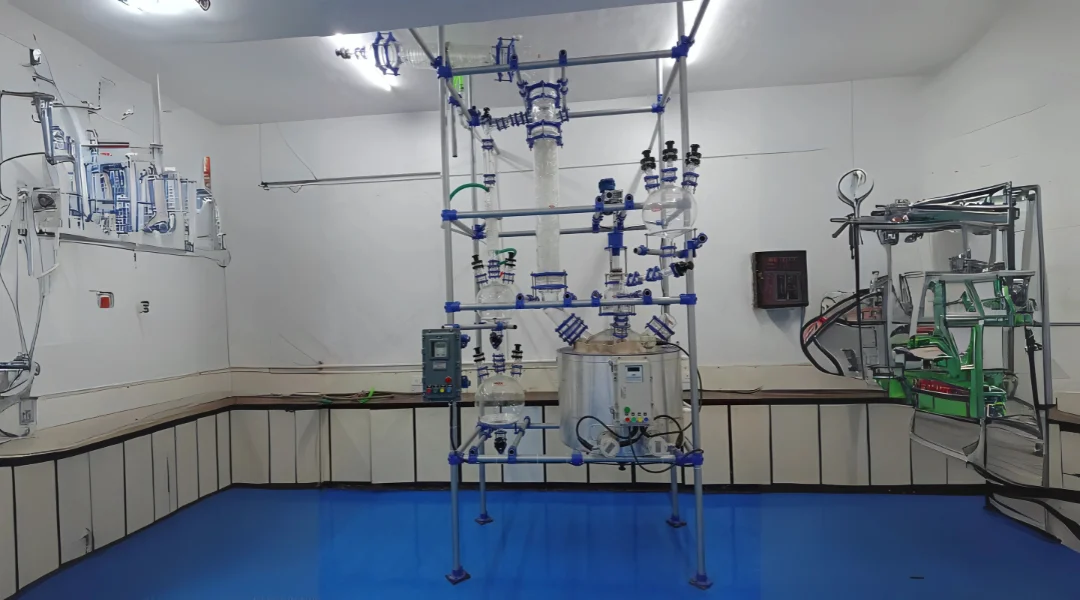
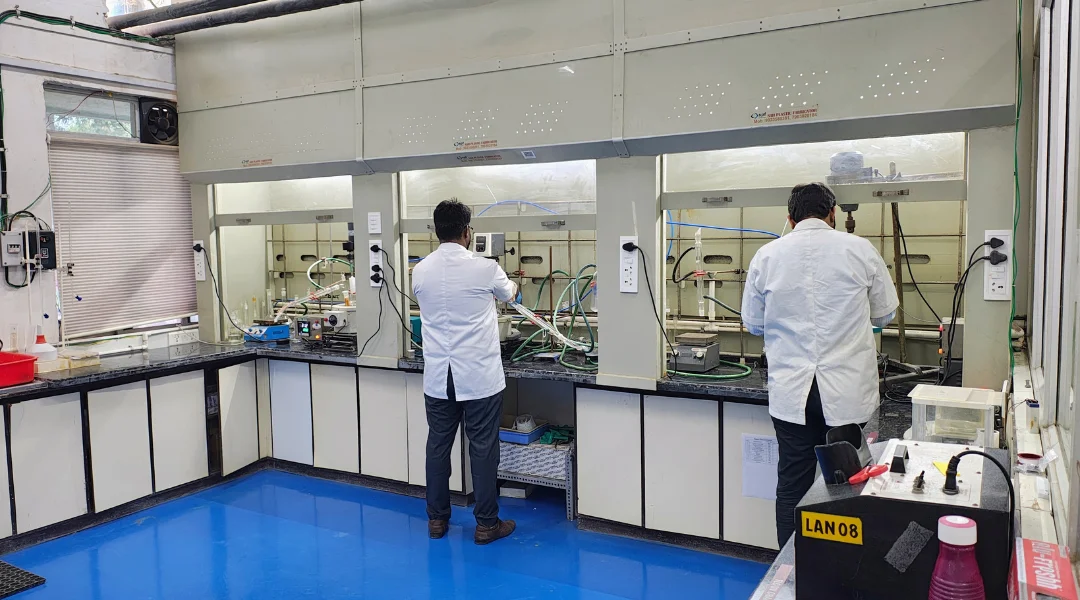
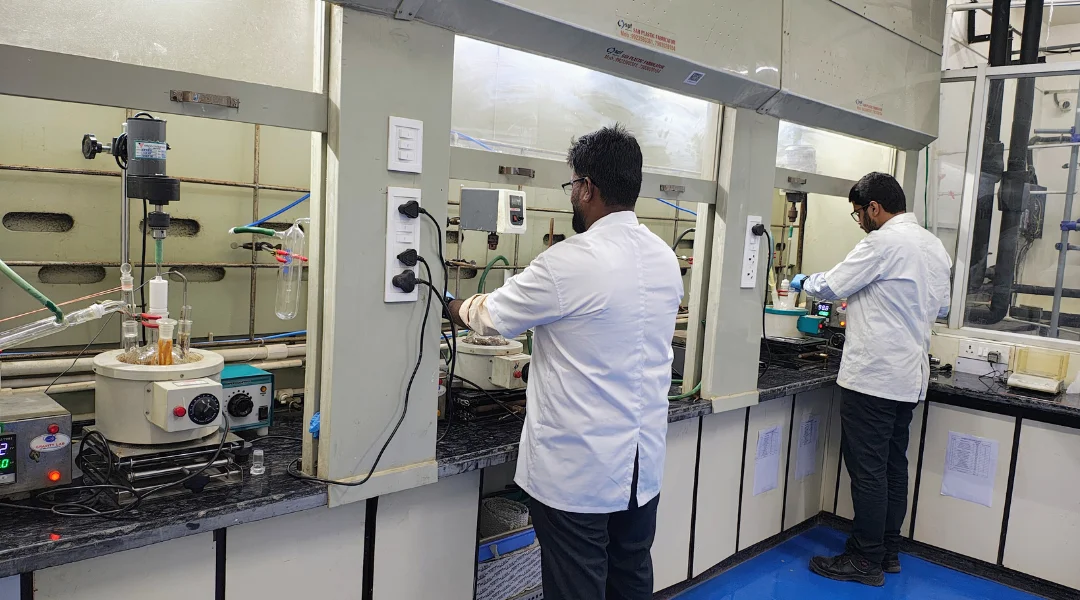
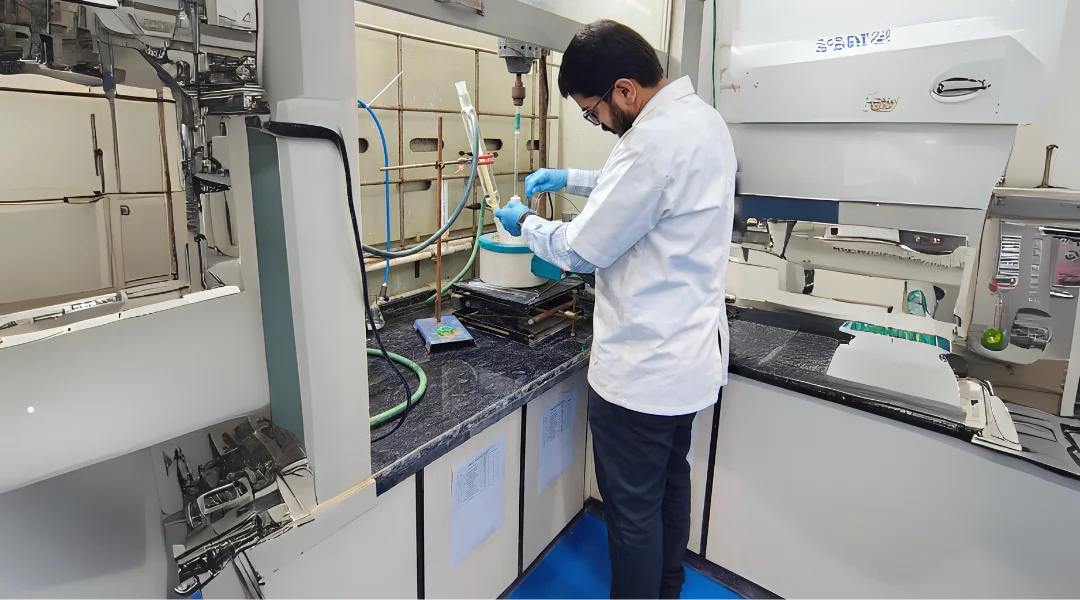
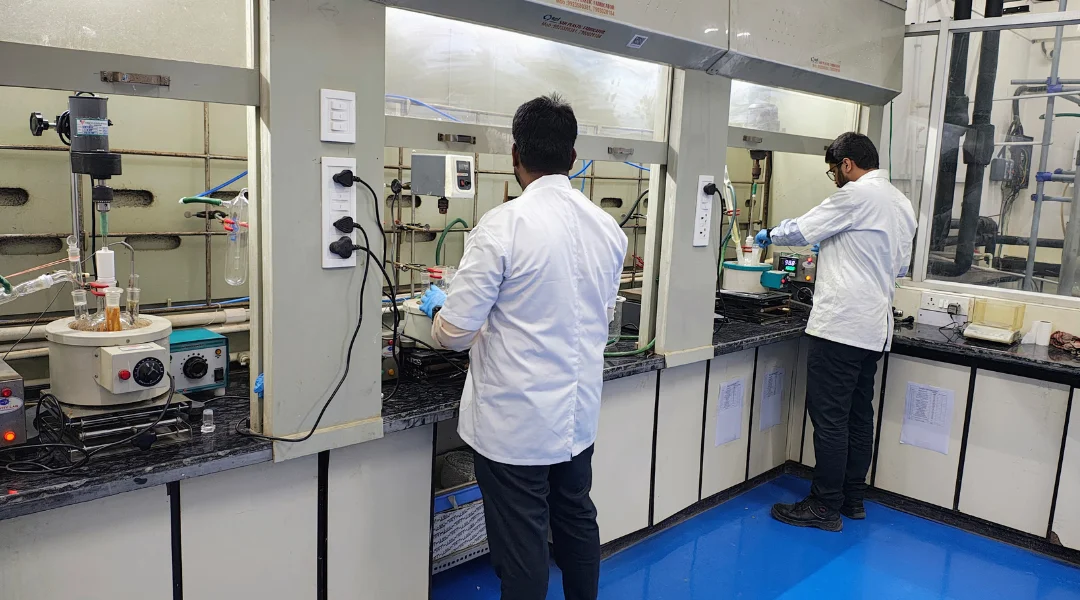
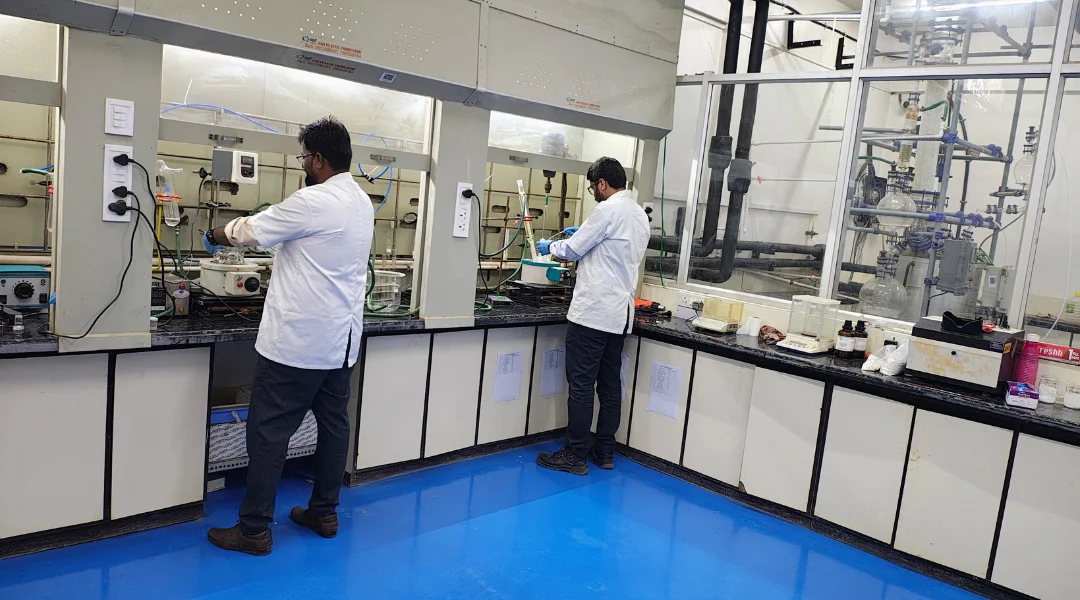
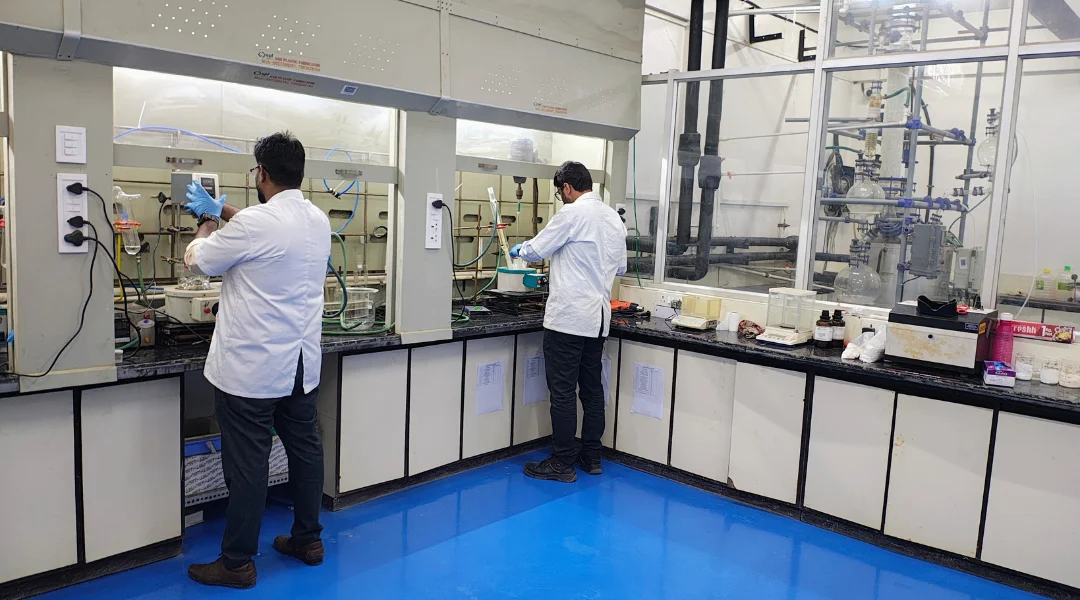
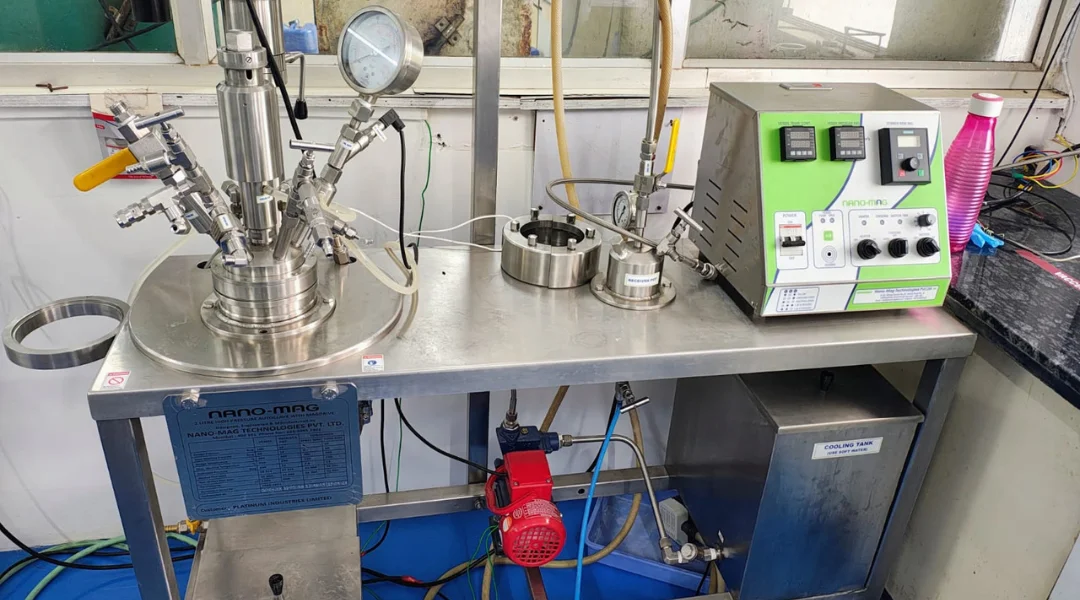
Our Chemical Synthesis Lab is a specialized facility designed to carry out controlled chemical reactions for the synthesis of new oleochemical compounds, supporting research, development, and production efforts. In addition, we have established a dedicated in-house pilot facility to produce a diverse range of products tailored to specific requirements.
Our team of experts develops advanced internal and external lubricants, along with slip, processing, and dispersing agents—all engineered to improve material flow and filler dispersion in plastic products.
Moreover, we are committed to creating organic-based, heavy metal-free stabilizers that enhance environmental safety, contributing to the manufacture of safer and more sustainable PVC products.
Key features and equipment of our Chemical Synthesis Lab:
This state-of-the-art lab empowers chemists to perform complex syntheses with high precision and safety, driving innovation—particularly in the fields of oleochemicals and lubricants.
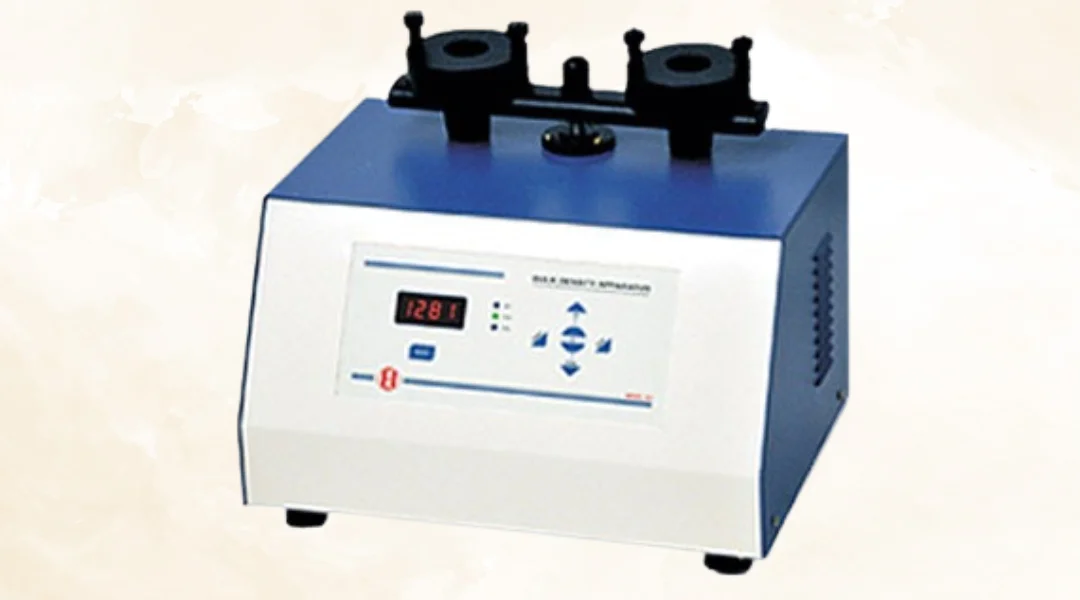
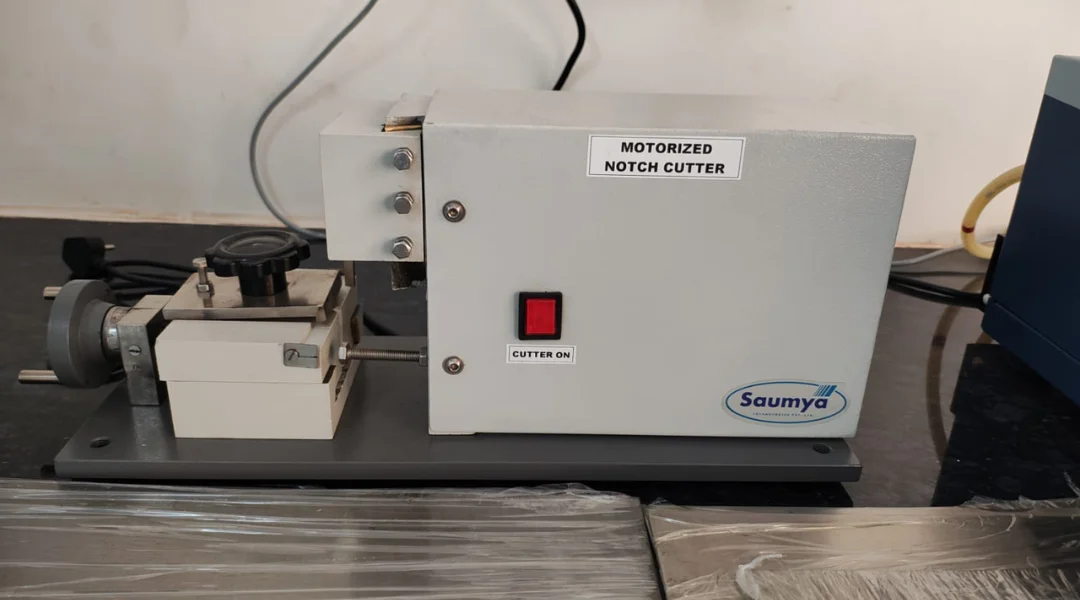
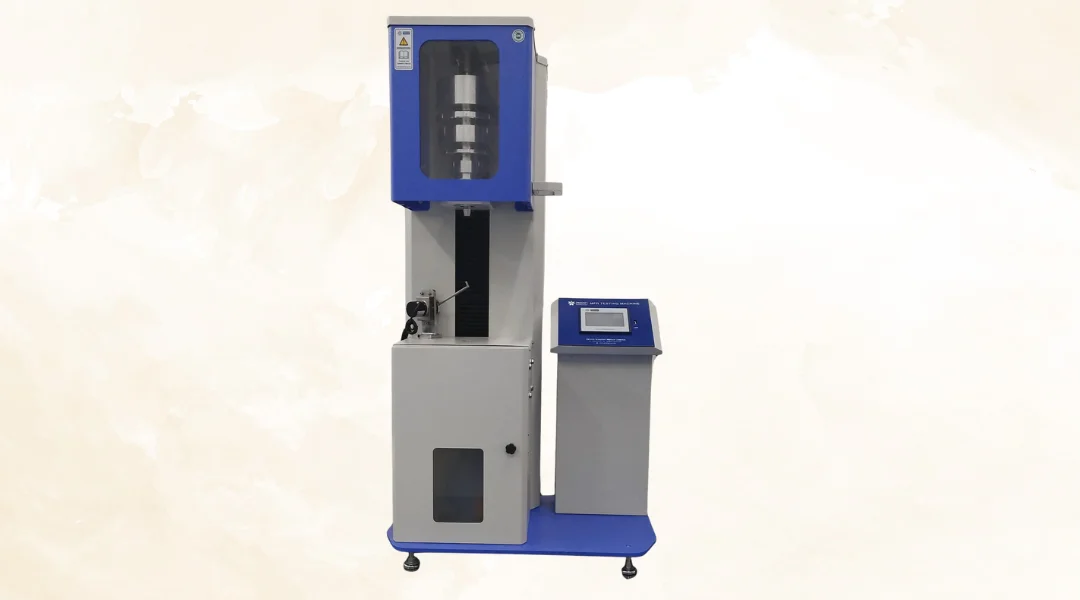
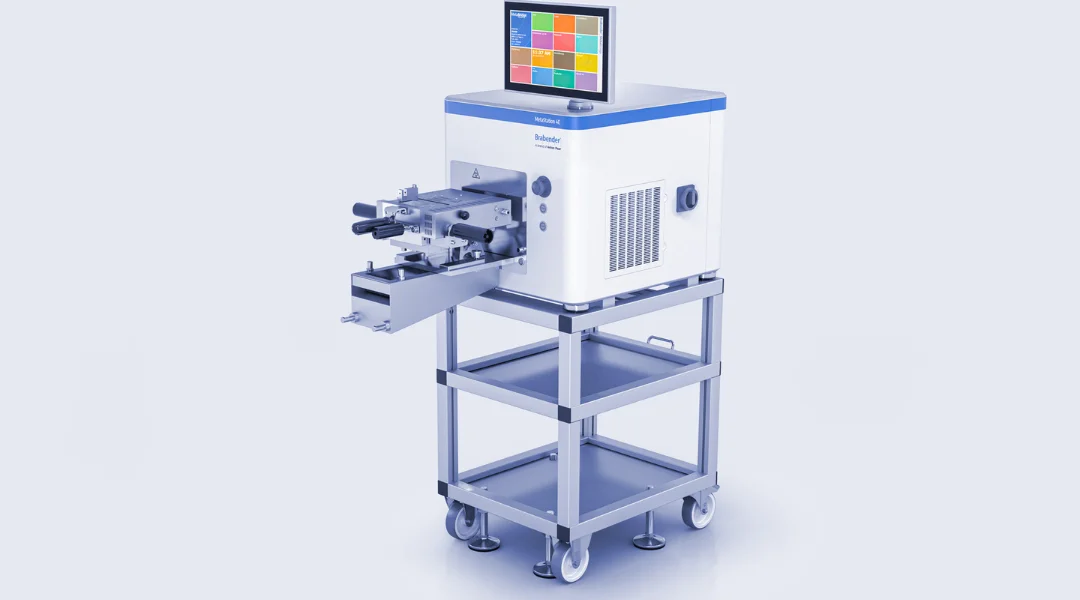
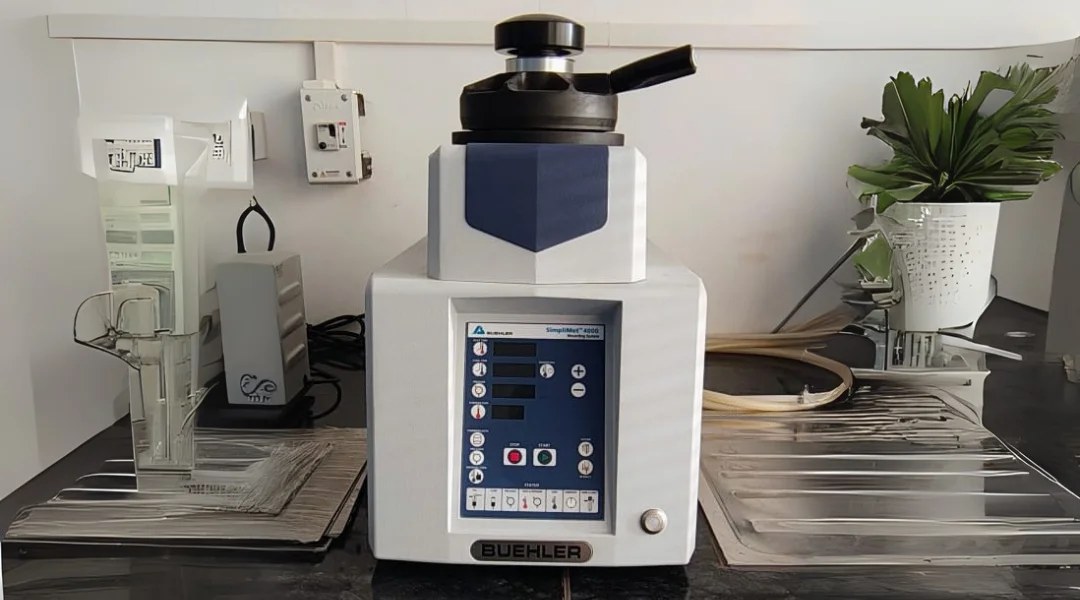
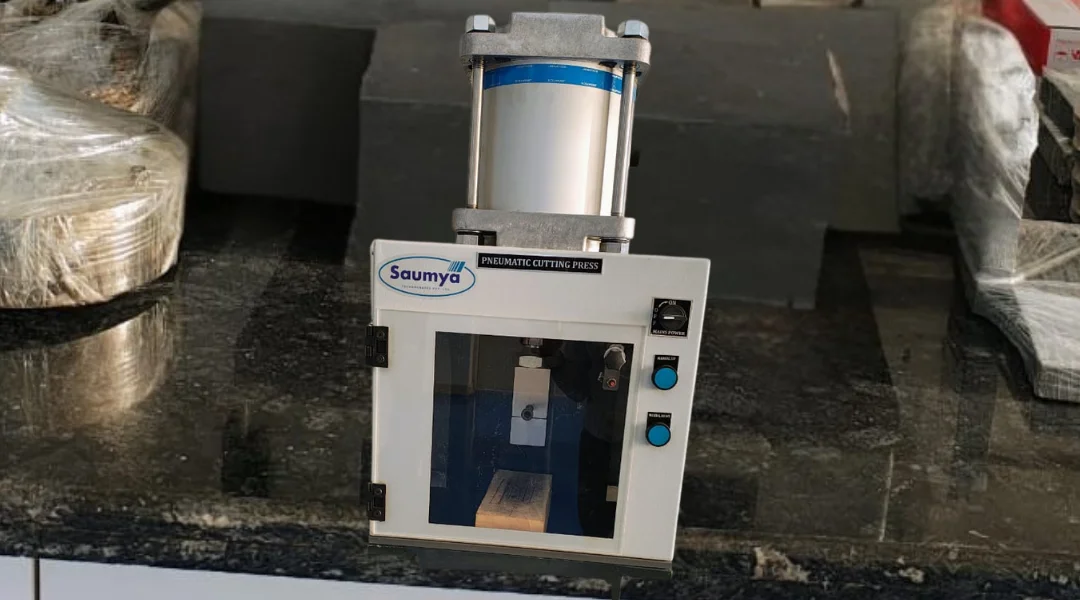
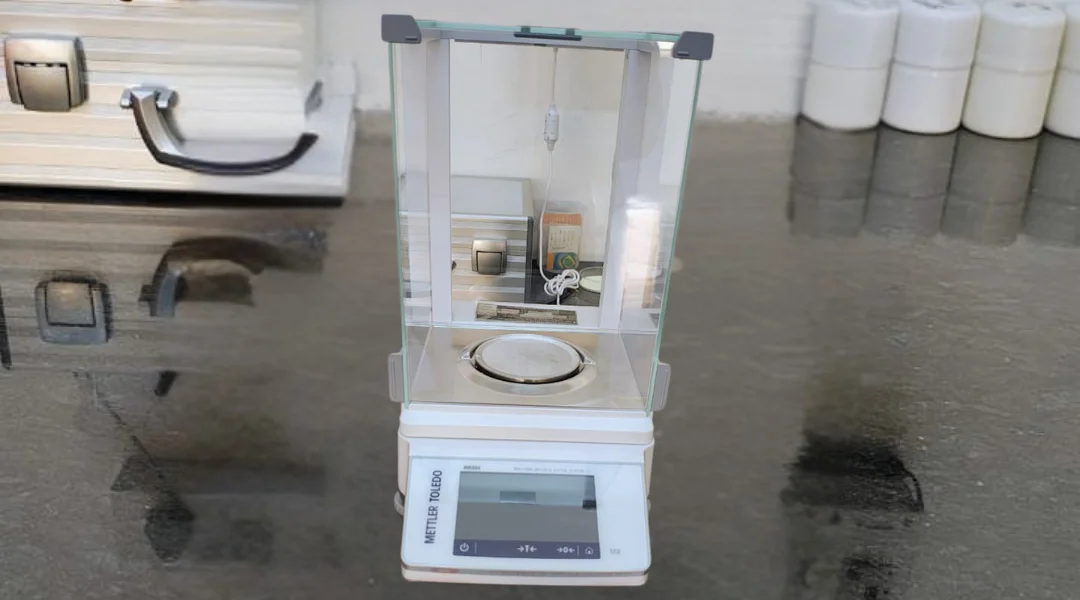
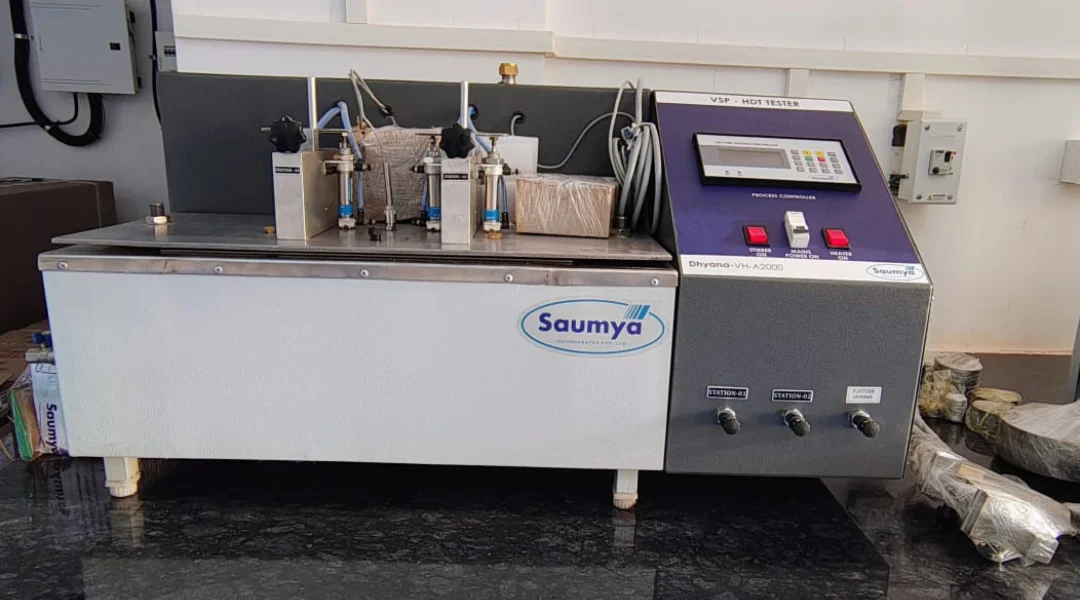
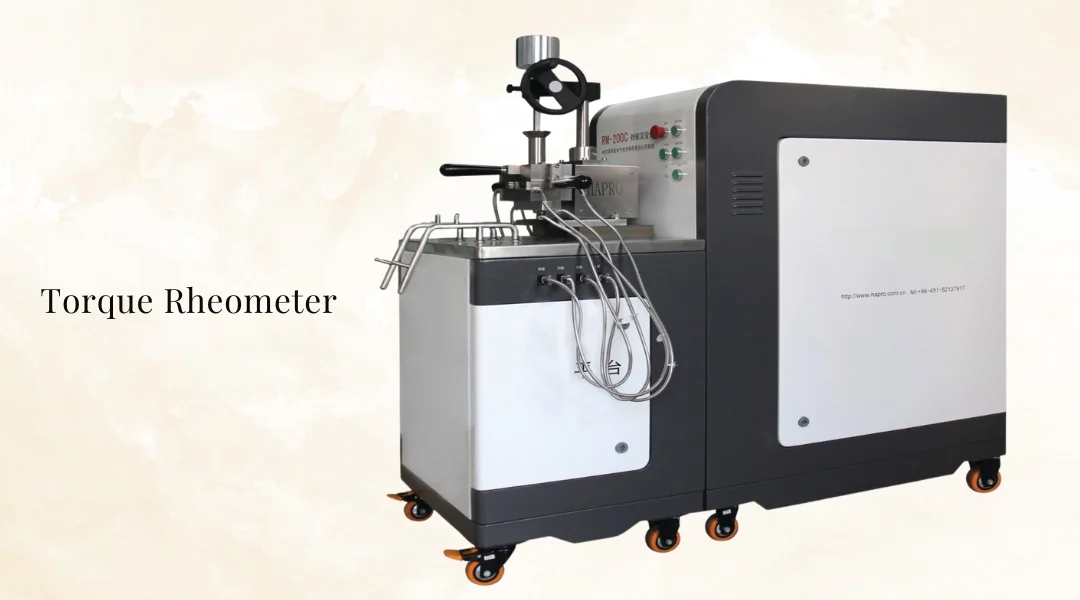
Our CPVC (Chlorinated Polyvinyl Chloride) Lab is a specialized facility dedicated to testing and analyzing CPVC additives and dry blends to ensure consistent quality, reliable performance, and adherence to industry standards.
The lab performs a comprehensive range of material property tests, including:
Our CPVC lab is equipped with controlled temperature chambers, compression molding machines for sample preparation, and film preparation equipment to support detailed material analysis.
At Platinum, innovation isn’t a buzzword—it’s our promise. With relentless focus on quality and sustainability, we don’t just follow industry standards—we set them.
An analytical laboratory is designed to test, identify, and quantify the chemical and physical properties of materials, serving a vital role in quality assurance, reverse engineering, and regulatory compliance across Platinum Industries Ltd. To achieve this, these labs utilize a range of advanced techniques and instruments, such as:
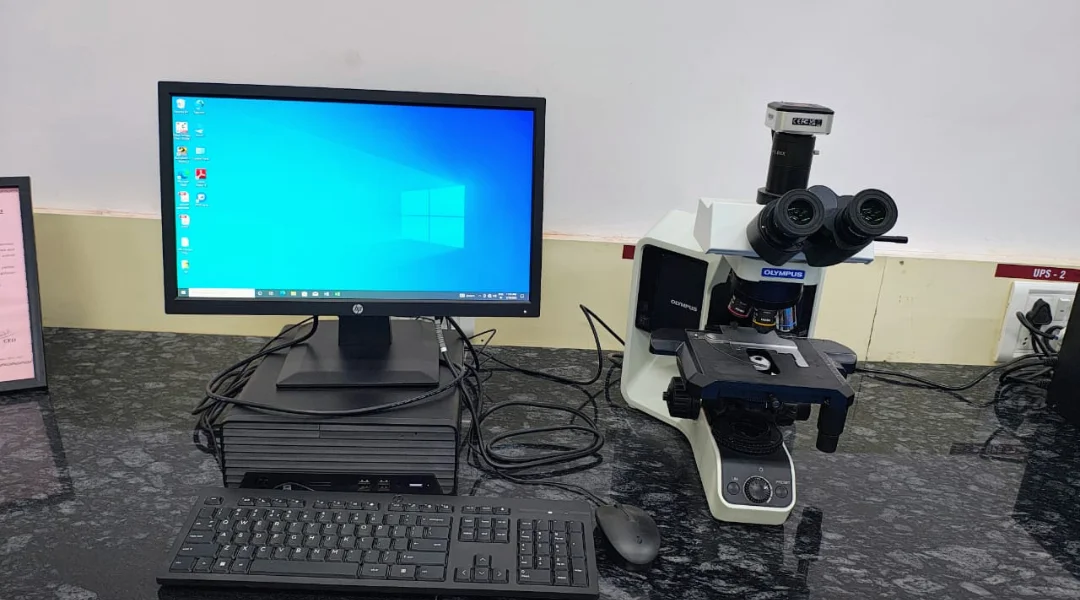
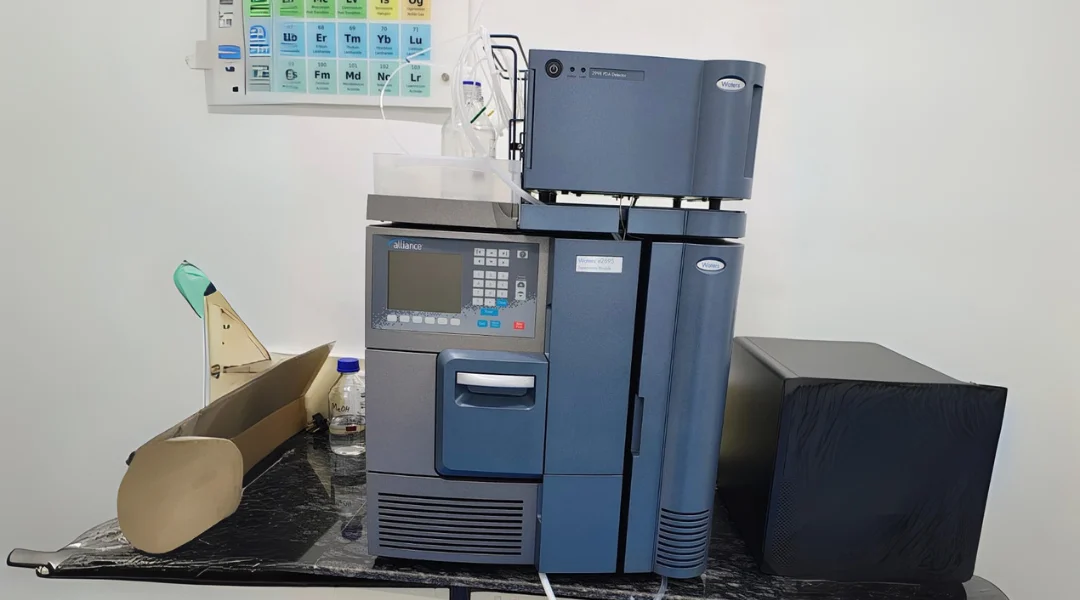
An Application Lab is a specialized facility dedicated to developing, testing, and optimizing products and processes tailored to specific industrial needs. Our lab focuses on the practical application of materials and technologies to enhance performance, meet customer requirements, and drive innovation in product development.
The Application Lab’s key functions include:
Our Application Lab acts as a vital link between fundamental research and commercially viable solutions, ensuring innovations are practical, efficient, and compliant with industry standards and customer expectations.
Our Chemical Synthesis Lab is a specialized facility designed to carry out controlled chemical reactions for the synthesis of new oleochemical compounds, supporting research, development, and production efforts. In addition, we have established a dedicated in-house pilot facility to produce a diverse range of products tailored to specific requirements.
Our team of experts develops advanced internal and external lubricants, along with slip, processing, and dispersing agents—all engineered to improve material flow and filler dispersion in plastic products.
Moreover, we are committed to creating organic-based, heavy metal-free stabilizers that enhance environmental safety, contributing to the manufacture of safer and more sustainable PVC products.
Key features and equipment of our Chemical Synthesis Lab:
This state-of-the-art lab empowers chemists to perform complex syntheses with high precision and safety, driving innovation—particularly in the fields of oleochemicals and lubricants.
Our CPVC (Chlorinated Polyvinyl Chloride) Lab is a specialized facility dedicated to testing and analyzing CPVC additives and dry blends to ensure consistent quality, reliable performance, and adherence to industry standards.
The lab performs a comprehensive range of material property tests, including:
Our CPVC lab is equipped with controlled temperature chambers, compression molding machines for sample preparation, and film preparation equipment to support detailed material analysis.
At Platinum, innovation isn’t a buzzword—it’s our promise. With relentless focus on quality and sustainability, we don’t just follow industry standards—we set them.
201, Ackruti Star, MIDC Central Road, Pocket No.5,
MIDC, Marol, Andheri (E),
Mumbai, Maharashtra – 400069
Industrial Shed, 136, Gut No. 984, Plot No. 36,
Shirgoan Village, Palghar (W), Dist. Palghar – 401 404, India
No. 974, Gut No. 984, Plot No. 35,
Shirgaon Village, Palghar 401404,
Maharashtra, India